




| Treasury
The life of mariella mehr - rs9 theaterthe life of mariella mehr
mariella mehr élete
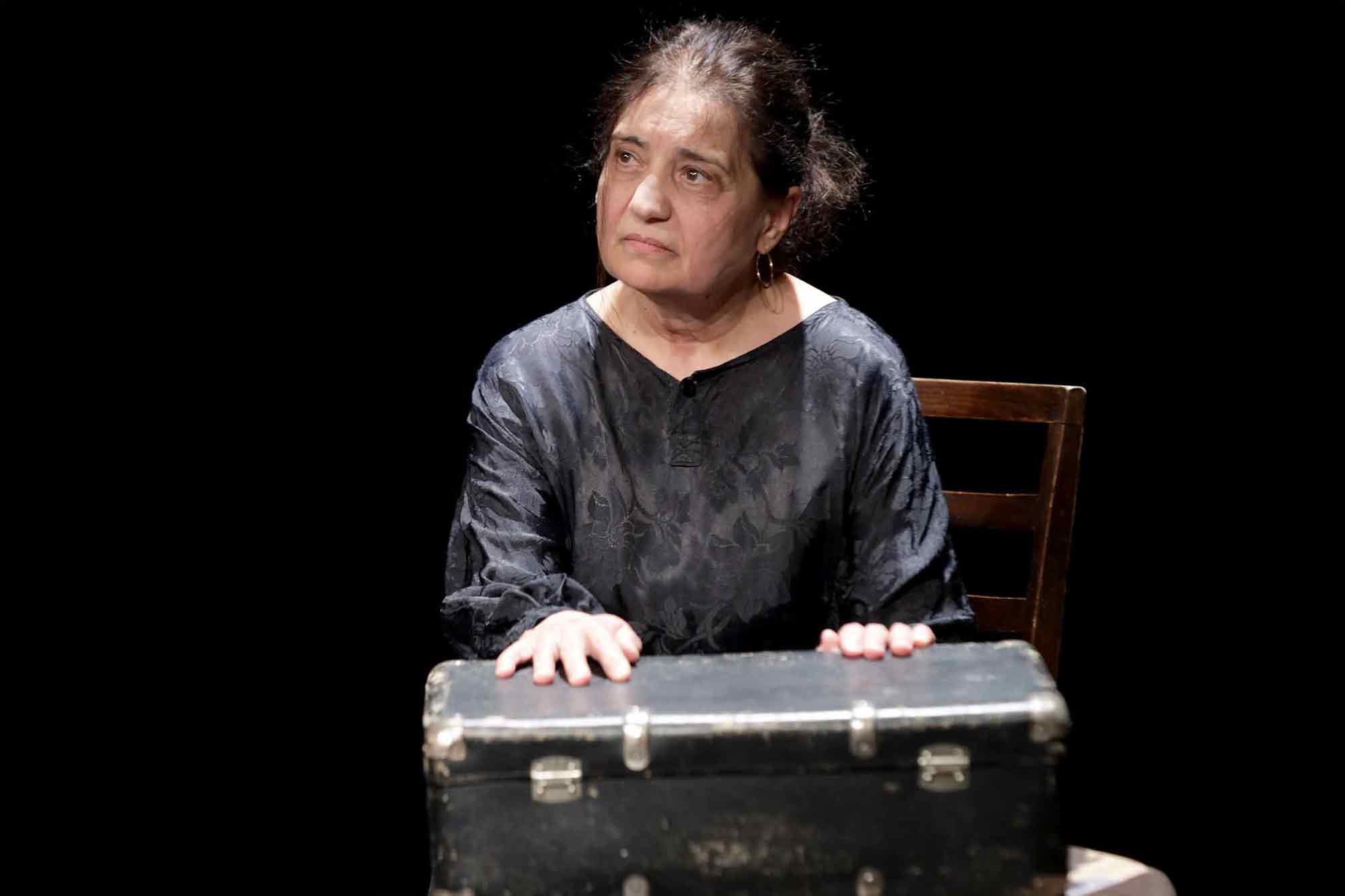
A theatrical piece about the tragic fate of the Jenisch people in Switzerland, who were victims of a state-led biological genocide. The story, inspired by the works of Mariella Mehr, brings to life a hidden past and the struggle for survival. A deeply moving play about the search for identity and the importance of remembrance.
"In our Swiss Gypsy language, the word for heart is missing.
We say soorie. But that’s what we call love, God, and penis, too.
My heart was strong enough to defy the all the psychiatric interference, the deadly threats.
My heart is feminine. It’s identical to me."
Creators
teaser
Background
Mariella Mehr (1947-2022) was a Yenis writer from Switzerland. The Yenis are considered the third largest European minority group and were victims of biological genocide, which began in 1926 and only ended in 1975 in Switzerland. There are currently an estimated 35,000 Romani people in Switzerland, only 10 percent of whom continue to live a nomadic lifestyle.
Focus scene
Reviews
‘Her gaze is that of a small child, looking at the world with wonder, then scrutinizing it as a stranger, then begging for love, or piercing with pain. She tells the story of her fate, of a small child—several children—who she once was, who was torn from her mother as an infant and pushed around in cold institutions, without love, vulnerable and unhappy. Magdi Rácz seems to be locked in a cage, moving between invisible fences. She does not accuse, she does not demand pity, she tells her story. A terrible, true story – a life.’
Criticai Lapok‘Children were taken away from their mothers, women were forcibly sterilized, and Roma babies were raised in inhumane conditions. After spending time in sixteen foster homes, Mariella Mehr entered adulthood, where the abuse continued: her son was taken away, she was imprisoned and sterilized. Although the fact that the story takes place elsewhere and at another time creates the distance we need to be able to accept this horrific story with an open mind, we must not forget that in a world that considers itself civilized, this story could come from almost anywhere, yes, even from today's Hungary.’
KÉT LÁMPÁSMaterials to read
excerpts from the playIn case you would like to request availability to the full play and/or the full video about the performance, write an email to info@romaheroes.org and describe the aim of your request!
Tag Cloud
photo credits
All rights reserved
*left -> right*
©Alina Vincze_Magdi Rácz