





| Treasury
...and again we all slept pindral - Ara Art Theater Company...and again we all slept pindral
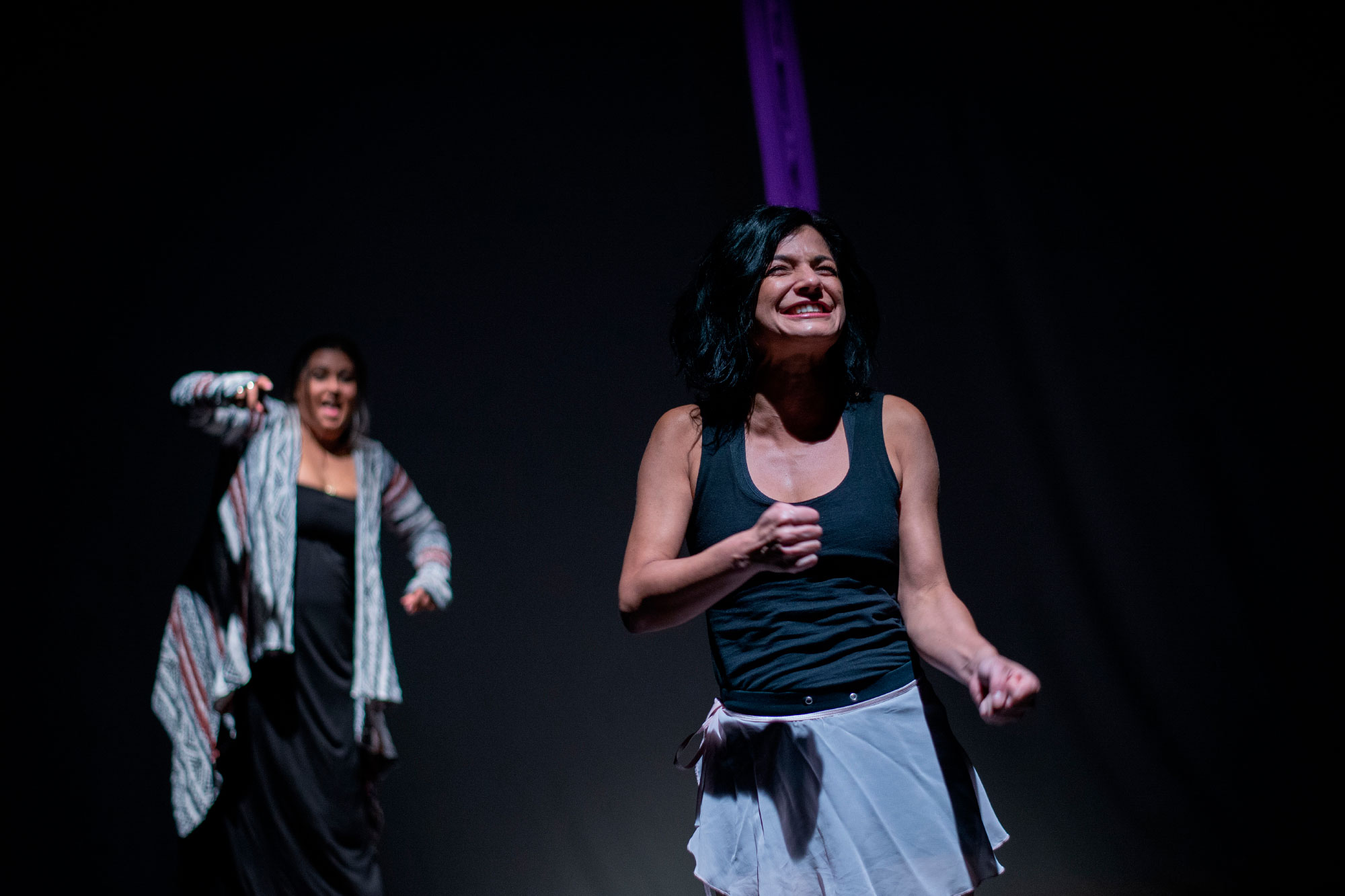
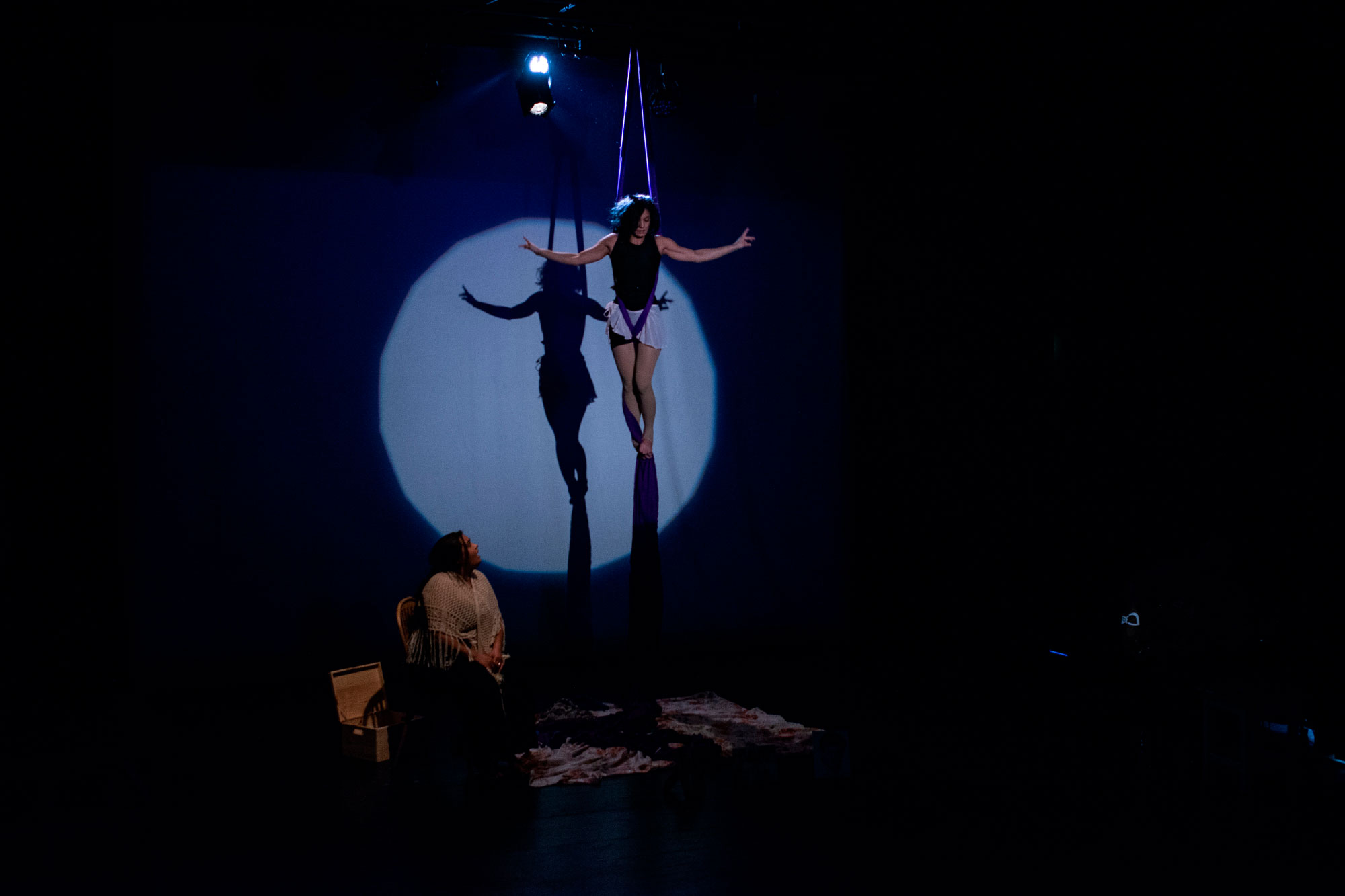
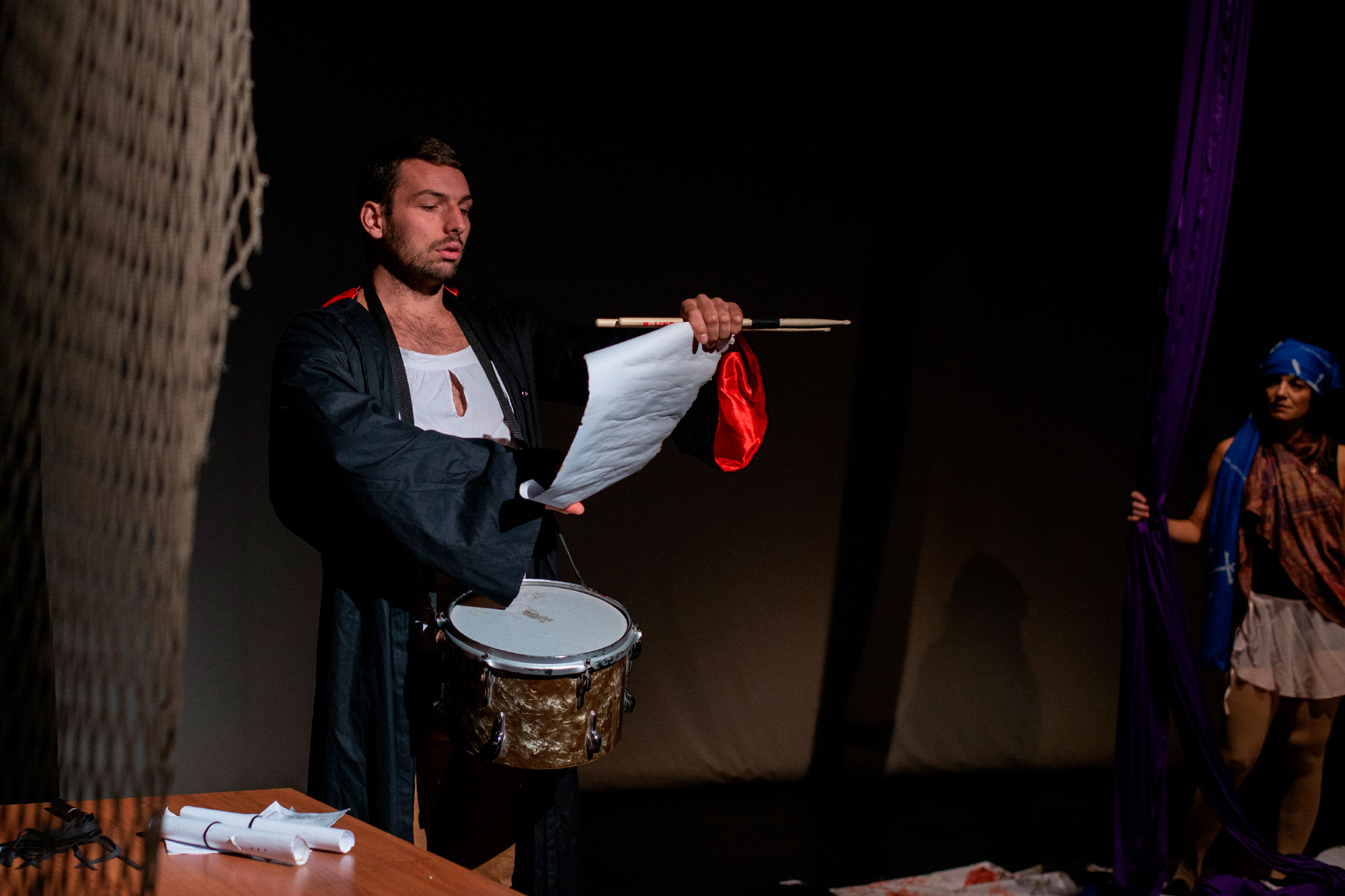
Where do we really come from? Where are the centuries-long persecution of Gypsy people rooted? An elderly Roma woman tells a story to her grandchild while her daughter is working. She begins her tale ofn the Gypsy Oodyssey with creation myths and arrives at the challenges which did not improve during the rule of the Habsburg Monarchyrule and reached rock bottom during the 2nd World War. After having lost half of the family, can may communism bring some relief? The old woman believes so, but her daughter, who just arrives home from work, does not agree.
Let us face the past together so that we can to be able to build a better future! The Czech company ARA ART invites us to an extraordinary historic trip travel in a new theatrical form, using elements of circus arts.
Creators
trailer
Background
Romani people are an ethnic minority in the Czech Republic, currently Roma making up 2–3% of the population. Since the creation of Czechoslovakia in 1918, the Romani population have experienced considerable hardship, having been a main target of Nazi extermination programs during World War II, and the subject of forced relocation and other radical social policies during the Communist era. In the successor state, the Czech Republic, challenges remain for the Romani population with respect to education and poverty, and there are frequent tensions with the ethnically Czech majority population over issues including crime and integration.
Focus scene
Reviews
‘The structure of the performance, as can be seen, tried through the general possibilities of historical narrative creation. In the genre of “Genesis”, the myth, there is even a foreign perspective of the community and those outside the community (and it includes oral and written, factual and fictitious), replaced by official written history, which can only be said from the outside. The Roma community's own order of representation is obviously oral.’
Szinhaz.net‘The production, which uses texts by Roma authors, sometimes went deeper, for example, in a scene reminiscent of the Auschwitz camp, or in the part that takes place today. In the latter, her daughter arrived at the grandmother with her husband, who is not Roma, and they talked about the grandmother crying back to socialism, where even the Roma were better off.’
NépszavaMaterials to read
excerpts from the playphoto credits
All rights reserved
*left -> right*
1: ©Alina Vincze_Pavlína Matiová, Marta Balážová
2: ©Alina Vincze_Pavlína Matiová, Marta Balážová
3: ©Alina Vincze_Milan Gruss, Marta Balážová
4: ©Alina Vincze_Pavlína Matiová, Marta Balážová, Tibor Žida
5: ©Alina Vincze_Pavlína Matiová, Marta Balážová